Lesvos Island Menu
Meander Feribot
LESVOS
Island of the Poets - Ayvalik & Aliaga routes
Chios Island Menu
Meander Feribot
CHIOS
Island of Mastiha - Cesme routes
Samos Island Menu
Meander Feribot
SAMOS
Island of Pythagoras - Kusadasi routes
Kos Island Menu
Meander Feribot
KOS
Island of Hippocrates - Bodrum & Turgutreis routes
Rhodes Island Menu
Meander Feribot
RHODES
Island of Colossus - Marmaris routes
Kastellorizo Island Menu
Meander Feribot
KASTELLORIZO
Island of Blue Grotto - Kas routes
Patmos Island Menu
Meander Feribot
PATMOS
Island of St John - Kusadasi routes
Special Offers for Chios island.
DESTINATION
GREEK ISLANDS
We provide ferry tickets to the Greek islands from Turkey's Aegean coast. Explore our routes and find your perfect crossing.
We provide ferry tickets for all the Greek islands. Please do not hesitate to contact us for the most suitable ferry connections for your travel.
FERRY HIGHLIGHTS
DEPARTURE
MARMARIS
ARRIVAL
RHODES
DEPARTS
EVERYDAY
TICKETS RATES
FROM 60€
DURATION
APPROX 1 HR

FAQs ABOUT RHODES

ISLAND of COLOSSUS

Planning your escape from Marmaris to the legendary Island of Rhodes? This comprehensive FAQ guide has everything you need to know about one of the most frequented ferry routes in the Eastern Mediterranean.

Whether you're looking for details on ferry schedules and ticket booking, eager to explore the UNESCO-listed Medieval Old Town, or curious about Greek island traditions, you'll find practical answers to all your questions below.

From walking the ancient Street of the Knights to relaxing on golden beaches and experiencing authentic Greek hospitality, these frequently asked questions will help you plan the perfect journey to the island where ancient mythology meets medieval grandeur.

Got questions? We've got answers!

Rhodes Island

Rhodes is located in the southeastern Aegean Sea, the largest of the Dodecanese islands. It sits close to the Turkish coast (approximately 18 km away) and is positioned between the Greek mainland and Cyprus. Rhodes is at the crossroads of Europe, Asia, and Africa, giving it strategic importance throughout history.

Rhodes is the largest island in the Dodecanese, covering approximately 1,400 square kilometers (540 square miles) with a coastline of about 220 km. The permanent population is around 115,000-120,000 residents, with roughly half living in Rhodes Town, the capital. The population swells significantly during the peak tourist season.

Rhodes is highly accessible via Diagoras International Airport, one of Greece's busiest, with year-round flights from Athens and numerous direct flights from European cities (especially March-November).

By sea, ferries connect Rhodes to Piraeus (Athens), other Dodecanese islands, the Cyclades and Crete. The island is a major hub for island-hopping.

You can also take ferry to Rhodes from Marmaris in Turkey. The island has excellent ferry connections, making it easily accessible.

BUY YOUR TICKET TO RHODES

Rhodes is world-famous for its UNESCO World Heritage medieval Old Town (one of Europe's best-preserved), the ancient Colossus of Rhodes (one of the Seven Wonders of the Ancient World), stunning beaches, the ancient city of Lindos with its acropolis, Knights of St. John heritage, excellent sunshine record (300+ days yearly), and being one of Greece's most popular tourist destinations.

Learn more about the must-see sights and experiences on the island in our guide: Places to Visit in Rhodes.

Rhodes enjoys an exceptional Mediterranean climate with hot, dry summers and mild winters. Summer temperatures average 27-32°C (81-90°F), while winter temperatures range from 12-17°C (54-63°F).

The island boasts over 300 days of sunshine annually, making it one of the sunniest places in Europe. Rainfall is minimal, occurring mainly November through February.

The ideal period is May through October. May-June and September-October offer excellent weather with fewer crowds and more moderate prices. July-August are peak season with hot weather, busy beaches, and maximum tourist activity.

April and November are good for sightseeing with pleasant temperatures, though some facilities may have reduced hours or be closed.

BUY YOUR TICKET TO RHODES

Greek is the official language. Due to heavy international tourism, English is very widely spoken throughout the island, particularly in hotels, restaurants, shops, and tourist areas. German, Italian, French, and Russian are also commonly spoken in the tourism industry, reflecting the island's diverse visitor base.

The Euro (€) is the official currency. ATMs are abundant throughout the island, especially in Rhodes Town and resort areas. Credit and debit cards are widely accepted in virtually all tourist establishments, shops, restaurants, and hotels. However, having some cash is useful for smaller tavernas, beach bars, and local markets.

Key destinations include Rhodes Town (medieval Old Town and modern New Town), Lindos (stunning village with ancient acropolis), Faliraki (resort town), Ixia and Ialyssos (windsurf spots), Kolymbia, Pefkos, Kiotari, the traditional mountain village of Embonas, the quieter village of Siana, and the archaeological site of Ancient Kamiros on the west coast.

Learn more about the must-see sights and experiences on the island in our guide: Places to Visit in Rhodes.

Major attractions include the Medieval Old Town of Rhodes (UNESCO site), the Palace of the Grand Master, Street of the Knights, Ancient Lindos and its Acropolis, Valley of the Butterflies, Ancient Kamiros, Tsambika Monastery, the Acropolis of Rhodes (Monte Smith), Filerimos Hill, Seven Springs (Epta Piges), and Prasonisi (where two seas meet).

Learn more about the must-see sights and experiences on the island in our guide: Places to Visit in Rhodes.

Excellent beaches abound! Popular options include Tsambika (golden sand), Anthony Quinn Bay (crystal waters), Lindos Beach, Faliraki Beach (organized with water sports), Prassonisi (windsurfing/kitesurfing), Kallithea Springs, Ladiko Beach, Agathi Beach, Gennadi Beach, and Elli Beach near Rhodes Town. The island offers both east coast (calmer, warmer) and west coast (windier) beaches.

Get to know the island before you arrive — explore our Rhodes Island Guide for must-see places, local tips, and suggested itineraries.

Rhodes features diverse landscapes from long sandy beaches and rocky coves to mountainous interior reaching 1,215 meters at Mount Attavyros. The island transitions from lush pine forests in the north to drier, more barren terrain in the south.

Medieval fortifications, ancient ruins, and traditional stone villages dot the landscape, while fertile valleys produce wine, olives, and citrus fruits.

Rhodes has a remarkable 3,000-year history. In ancient times, it was a powerful maritime state and home to the Colossus of Rhodes (280 BC, destroyed by earthquake).

The island was ruled by Romans, Byzantines, Knights of St. John (1309-1522, who built the magnificent Old Town), Ottomans (1522-1912), and Italians (1912-1943). Rhodes joined Greece in 1948. This rich history left extraordinary architectural and cultural heritage.

Transportation options are excellent: rental cars, scooters, and ATVs (widely available and recommended for exploring), comprehensive bus network (KTEL) connecting all major towns and beaches from Rhodes Town.

Taxis and ride-sharing services, organized tours and excursions, and bicycle rentals in flat coastal areas. The island is large, so having your own transport maximizes exploration.

Get to know the island before you arrive — explore our Rhodes Island Guide for must-see places, local tips, and suggested itineraries.

Rhodes specialties include honey (especially pine and thyme honey), wines from local wineries (particularly from Embonas), olive oil, "souma" (local spirit similar to grappa), ceramics and hand-painted pottery, natural sponges, handmade leather sandals, gold and silver jewelry, traditional textiles and embroidery, herbs and spices, and locally made soaps and cosmetics.

Rhodes cuisine showcases fresh seafood, traditional Greek dishes with local variations, specialties like "pitaroudia" (chickpea fritters), "melekouni" (sesame and honey bars), "pougi" (lamb cooked in a clay pot), fresh fish and octopus, "skordalia" (garlic sauce), and excellent local wines.

Italian influence remains from the occupation period. Waterfront tavernas and traditional eateries throughout the island offer authentic dining experiences.

Yes, Rhodes is one of Greece's most popular tourist destinations, especially in July and August when beaches and Old Town can be very busy.

However, the island is large enough that quieter areas exist, particularly on the west coast, in mountain villages, and during shoulder seasons (May-June, September-October). Early mornings and evenings in popular spots are less crowded.

Rhodes offers diverse activities including water sports (windsurfing, kitesurfing, diving, jet skiing), boat excursions to nearby islands and bays, hiking trails through mountains and valleys, wine tasting tours in mountain villages, horseback riding, go-karting, cycling routes, golf, exploring medieval and ancient sites, visiting museums, and vibrant nightlife especially in Faliraki and Rhodes Town.

Get to know the island before you arrive — explore our Rhodes Island Guide for must-see places, local tips, and suggested itineraries.

Rhodes has exceptional tourist infrastructure including accommodations from budget hotels to luxury resorts and all-inclusives, countless restaurants, tavernas, and international cuisine options, vibrant nightlife (bars, clubs, beach parties), modern shopping centers and traditional markets, water parks and theme parks, medical facilities and hospitals, pharmacies, banks, car rentals, and comprehensive tourist information services.

Get to know the island before you arrive — explore our Rhodes Island Guide for must-see places, local tips, and suggested itineraries.

Extremely family-friendly! Rhodes offers safe sandy beaches with shallow waters, water parks (Faliraki Water Park), aquariums, fascinating historical sites that engage children, the Valley of the Butterflies nature reserve, organized beaches with lifeguards, family hotels with kids' clubs and activities, calm east coast beaches perfect for families, and easy accessibility with short flights from Europe.

The island hosts numerous events including the Medieval Rose Festival (May, in the Old Town with period costumes and performances), Rhodes International Film Festival (summer), Wine Festival in Embonas (summer), Rhodes Marathon (April), various music festivals and concerts at ancient venues, traditional panigyria (religious feast days) in villages, Sound and Light Show in the Palace gardens (summer), and folk dance performances.

Visa requirements depend on your nationality. As part of Greece and the Schengen Area, EU citizens need only a valid ID card. Many other nationalities (including US, Canadian, Australian) can visit for up to 90 days within 180 days without a visa.

Check current requirements based on your citizenship before traveling.

Marmaris Rhodes Ferry Departures

The ferry journey from Marmaris to Rhodes typically takes approximately 1 hour on high-speed catamarans. The fastest crossings complete the journey in just 50-60 minutes, making it one of the quickest international ferry routes in the Aegean Sea.

The distance between Marmaris and Rhodes is approximately 21-25 nautical miles (about 45-52 kilometers). Travel times may vary slightly depending on sea conditions and the specific vessel used.

You may also check How to Get to Rhodes section for detailed information.

BUY YOUR TICKET TO RHODES

Ferry departure times vary by season and operator. Typical departures from Marmaris are around 08:45-09:30 in the morning and 17:15-17:45 in the afternoon/evening. During peak summer season (June-September), there can be multiple daily departures with 6-8 weekly sailings.

Winter season sees significantly reduced service with approximately 4 weekly sailings or fewer. Always verify current schedules before traveling as times change based on season and demand.

Please also check Marmaris Rhodes Ferry Departures for detailed information.

BUY YOUR TICKET TO RHODES

Ferry ticket prices:

One Way:
37€ adults, 27€ child (ages 6-12), 5€ infants (ages 0-5)

Same Day Return tickets:
47€ adults, 37€ child (ages 6-12), 5€ infants (ages 0-5)

Round-trip tickets:
55€ adults, 45€ child (ages 6-12), 5€ infants (ages 0-5)

Prices vary depending on the ferry operator, season, and booking time.

Please check Marmaris Rhodes Ferry Tickets for details.

BUY YOUR TICKET TO RHODES

The primary ferry operator on the Marmaris-Rhodes route is Yesil Marmaris Lines, which operates modern high-speed catamarans. The company is licensed by Turkish and Greek maritime authorities and adhere to international safety standards. The operator use fast, comfortable vessels equipped with modern amenities for the short international crossing.

BUY YOUR TICKET TO RHODES

Visa requirements depend on your nationality. Turkish citizens with ordinary (red) passports require a valid Schengen visa to enter Greece. A special "Visa Express" program is available for Turkish citizens for short-term visits (1-7 days) to designated Greek islands.

EU citizens can travel with just a valid ID card or passport. Non-EU citizens should check Schengen visa requirements for their specific nationality. Since Greece is part of the Schengen zone, standard EU visa rules apply.

Ferry services operate year-round, but with significantly different frequencies. Peak season runs from April/May through October with daily departures and the highest number of sailings (up to 6-8 weekly).

Summer months (June-September) offer the most reliable and frequent service. Winter season (November-March) sees much-reduced service with only 4 weekly sailings or less. The route is most dependable and frequent from late spring through early autumn.

You may check Marmaris Rhodes Ferry Departures for more information.

BUY YOUR TICKET TO RHODES

No, current ferry services between Marmaris and Rhodes do not allow vehicle transportation. All vessels operating this route are passenger-only high-speed catamarans without car decks.

However, car and scooter rentals are widely available in Rhodes at competitive rates, making it easy to explore the island independently. If vehicle transport is essential, consider alternative routes or rent upon arrival.

It's strongly recommended to arrive at least 60-90 minutes (1-1.5 hours) before your scheduled departure time. This allows sufficient time for ticket collection (if needed), security checks, passport control, customs procedures, and boarding.

Ferry operators often advise arriving 1.5 hours early. During peak summer season, ports can be very busy, and passport control lines may be long, so arriving early is essential to ensure smooth processing.

Yes, you can easily buy ferry ticket online through our website.

BUY YOUR TICKET TO RHODES

All passengers must carry a valid passport (valid for at least 6 months beyond travel date) for this international crossing. EU/Greek citizens may use their national ID card instead. Non-EU citizens need a passport and may require a Schengen visa depending on travel direction and nationality.

You'll also need your ferry ticket confirmation (printed or digital). Turkish citizens whose passports contain entry and exit stamps for the Turkish Republic of Northern Cyprus (TRNC) are not permitted to enter Greece by the Greek authorities.

Yes, ferry operators allow pets on board. You'll need to carry necessary pet documentation, including a pet passport with required vaccinations. If traveling with a pet, you must inform the ferry company in advance, carry all necessary documentation, and take full responsibility for your pet.

Ferries offer amenities suitable for the 1-hour journey. You'll find comfortable air-conditioned seating areas, open deck spaces for enjoying sea views and fresh air, restroom facilities, and snack bars or cafeterias serving beverages, light snacks, and refreshments on select routes. Due to the short journey, cabins are not available on this route. All standard seating is included in your ticket price.

Yes, day trips from Marmaris to Rhodes are very popular and highly feasible. You can take the morning ferry (around 08:45-09:30), spend 6-8 hours exploring Rhodes Town, the Old Town, medieval castle, and attractions, then return on an evening ferry (around 17:00-19:15).

Rhodes port is within walking distance (7-10 minutes) from the historic Old Town, making it perfect for day exploration. Remember to allow extra time for passport control at both ends (can take 15-20 minutes each way).

Get to know the island before you arrive — explore our Rhodes Island Guide for must-see places, local tips, and suggested itineraries.

BUY YOUR TICKET TO RHODES

The Marmaris ferry port (Marmaris Cruise Port Marmaris Cruise Port location on Google Maps) is located at Sariana Mahallesi, on Mustafa Munir Elgin Boulevard, near Gunnucek National Park, approximately 100 meters past the entrance to Netsel Marina.

The port is about a 15-minute walk from the city center and is easily accessible on foot. Local dolmus (minibus) buses marked "YALANCI BOGAZ" with pink stripes run regularly to the port. The passenger terminal features services, shops, restaurants, and parking.

Yes, there's a 1-hour time difference. Greece (Rhodes) is 1 hour behind Turkey (Marmaris). This means when it's 10:00 in Marmaris, it's 09:00 in Rhodes.

Late March → Late October - No difference (both UTC+3)
Late October → Late March - Turkey is 1 hour ahead

Remember to adjust your watch when traveling between the two countries.

Ferry companies operating this route are generally flexible with luggage. Most operators allow one piece of luggage per person weighing up to 40-50 kg with no formal check-in procedure or additional charges.

You can keep luggage beside you or store it in designated luggage areas shown by crew during boarding. There are no strict size restrictions typically enforced. Label your luggage clearly and don't exceed recommended weight for smooth boarding and adequate storage space.

Yes, it's possible to buy tickets at the port on the day of travel, but this is not recommended, especially during peak summer season. Ferries can sell out quickly, and advance booking online ensures you secure your spot.

BUY YOUR TICKET TO RHODES

The best time depends on your priorities. Late spring (May-June) and early autumn (September-October) offer ideal conditions with pleasant weather, fewer crowds, good ferry frequency, and comfortable temperatures for sightseeing.

Peak summer (July-August) provides the most frequent service, warmest weather, and longest days, but expect crowds and higher prices. Winter offers fewer tourists but very limited ferry service and potential weather-related disruptions.

Rhodes enjoys around 300 days of sunshine annually, earning it the nickname "Island of the Sun."

Yes, Turkish citizens born in Northern Cyprus (as mentioned on their passport) or those with Northern Cyprus entry stamps may be denied entry to Chios due to international disputes between Greece and Northern Cyprus. Check your passport carefully before booking to avoid refund issues.

Ferry services may be delayed or canceled due to adverse weather conditions, particularly strong winds, rough seas, or storms. Winter months (November-February) see the highest risk of weather-related disruptions.

Ferry operators prioritize passenger safety and will notify passengers of cancellations in advance when possible. In case of cancellation, tickets can typically be rescheduled for the next available sailing at no extra charge.

Ferries from Marmaris arrive at Rhodes Tourist Port (also called Rhodes Main Port) located near the historic Old Town of Rhodes. The port is conveniently situated just a short 7-10 minute walk from Rhodes Old Town, the medieval castle, Palace of the Grand Master, restaurants, hotels, and major attractions.

Upon arrival, you'll go through passport control (allow 15-20 minutes). The port area offers facilities including restaurants, cafés, shops, ATMs, and easy access to local buses, taxis, and car rental services.

Our cancellation and refund policy depends on when you notify us of your cancellation.

Please kindly check "Legal Notes" section.

Marmaris Rhodes Ferry Tickets

Ferry ticket prices:

One Way:
37€ adults, 27€ child (ages 6-12), 5€ infants (ages 0-5)

Same Day Return tickets:
47€ adults, 37€ child (ages 6-12), 5€ infants (ages 0-5)

Round-trip tickets:
55€ adults, 45€ child (ages 6-12), 5€ infants (ages 0-5)

Prices vary depending on the ferry operator, season, and booking time.

Please check Marmaris Rhodes Ferry Tickets for details.

BUY YOUR TICKET TO RHODES

Generally, Marmaris Rhodes ferry tickets are non-refundable. The terms explicitly state that passengers have no right of withdrawal and tickets are non-refundable.

Please kindly check "Legal Notes" section.

Yes, you may request a one-time free date change up to 24 hours before the departure time. Changes requested within 24 hours of departure may be subject to restrictions. Please contact us as soon as possible if you need to modify your booking.

Yes, you can change your Marmaris Rhodes ferry tickets to open ticket by contacting us at least 24 hours before the departure time. However, these tickets must be used within the same calendar year.

Refunds are always issued to the same credit card that you used for your booking. Depending on your bank, it usually takes 2-7 business days for the refund to be processed and for the funds to appear in your bank account.

Generally, tickets are company-specific, so you would likely need to cancel and rebook with a different operator.

Children discount is also available for 0-2 and 3-6 ages.

Please check Marmaris Rhodes Ferry Tickets section for more details.

Our cancellation and refund policy depends on when you notify us of your cancellation.

Please kindly check "Legal Notes" section.

The trip may be canceled or postponed due to reasons beyond the Company's control, such as bad weather and sea conditions, strikes, technical malfunctions, war, natural disasters, or official decisions.

In this case, the passenger can only change their ticket to a different date, subject to availability; no refund or compensation will be paid.

Meander Feribot collaborates with ferry companies operating routes throughout the Aegean Sea. We currently offer:

ferry to Lesvos from Ayvalik,
ferry to Lesvos from Aliaga,
ferry to Chios from Cesme,
ferry to Samos from Kusadasi,
ferry to Kos from Bodrum,
ferry to Kos from Turgutreis,
ferry to Rhodes from Marmaris
ferry to Kastellorizo from Kas.

BUY YOUR TICKET TO GREEK ISLANDS

You can book ferry tickets online on meanderferibot.com in just a few quick and easy steps. Booking a ferry has never been simpler! Here's how it works:

1. You choose departure and destination ports, one-way or return tickets and travel dates. You can also select the number of passengers. Click on the 'Search' button to proceed to step 2.

2. In step 2, all available ferry crossings and itineraries will be displayed. Please select the itinerary that you prefer and click 'Buy Your Ticket'.

3. In step 3, you will have to provide contact details for the lead passenger and enter the passenger details along with credit card details. Now you will click 'Pay Now' button. You will be redirected to our bank's secure payment gateway to complete your booking.

Your ferry tickets are booked! We will send you a booking confirmation email with your booking details and all the necessary information for your trip. Enjoy your holidays!

BUY YOUR TICKET TO RHODES

Yes, it's recommended to buy Marmaris Rhodes ferry tickets early and make advance reservations to guarantee your booking, especially during peak summer season.

BUY YOUR TICKET TO RHODES

Once you have made a payment and your booking has been successfully completed, you will be redirected to the booking confirmation page, where you will find your booking details. You will also receive a booking confirmation email with all the necessary information for your trip.

You can book Marmaris Rhodes ferry tickets through our website or by visiting our office up to 1 hour before departure.

BUY YOUR TICKET TO RHODES

No, it is not necessary to confirm the departure time of your ferry, as it is uncommon for ferry schedules to change. We thus recommend that you check your email once on the day before your departure and once on the day of your ferry trip.

You can also contact us the day before your trip to get the latest information on schedule changes and delays.

Yes, we offer special rates for group bookings, but advance booking is required, especially during the peak summer season (July-August), to ensure availability and secure the best rates.

For tailored group rates and assistance, please contact us and our team will get back to you promptly.

You can use e-tickets on your phone.

Passengers should arrive at least 60 minutes before departure Marmaris to Rhodes. During busy summer periods, arriving at least 1 hour early is highly recommended. Please make sure that you allow enough time for check-in and other procedures on international ferry routes.

It is important to note that if you arrive late for check-in or boarding, you may not be allowed to travel. In this case, you will most likely not get a refund.

You can easily make a request for the confirmation email to be re-sent to you by contacting us.

Ferries depart from Marmaris port to Rhodes, located on Mustafa Münir Elgin Boulevard, near Gunnucek National Park - just 100m past the entrance to Netsel Marina. The ticketing office is in Marmaris Cruise Port - a brown kiosk with a big sign 'TICKETS TO RHODES'.

Be prepared to present a valid travel document (ID or passport). The company reserves the right to deny boarding if these documents are not provided. You will first go through check-in at the operator's office and you will continue with custom and passport control procedures before boarding.

Ferry tickets are nominative and require personal details including full name, gender, nationality, and date of birth for issuance. Ferry companies are required by law to record specific details of every passenger traveling for international crossings for customs and immigration purposes.

Attractions & Activities in Rhodes Island

The Medieval City of Rhodes, a UNESCO World Heritage Site, is one of the best-preserved medieval towns in Europe, with towering stone walls and labyrinthine alleys.

In the heart of the Medieval City stands the Palace of the Grand Master of the Knights of Rhodes, a 14th-century fortress that once served as the knights' headquarters and later as a residence for Italian rulers.

The entire old town is a UNESCO World Heritage Site and one of the best-preserved medieval towns in Europe, attracting millions of visitors every year!

Learn more about the must-see sights and experiences on the island in our guide: Places to Visit in Rhodes.

The Palace of the Grand Master is an enormous 13th-century fortress originally built by the Knights of St John. It's one of the town's must-sees, built as a Byzantine citadel and later occupied by the Knights Hospitaller. This enormous Medieval castle is considered among the best preserved castles of its kind.

Learn more about the must-see sights and experiences on the island in our guide: Places to Visit in Rhodes.
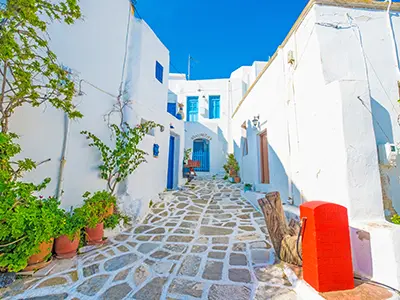
Walking down the Street of the Knights of Rhodes, visitors can see the preserved inns where knights from different regions of Europe stayed. This street boasts a fascinating history and is definitely one of the best things to do in Rhodes.

Wander the winding, cobbled streets, lined with historic houses and boutiques, and walk down the Street of the Knights.

Learn more about the must-see sights and experiences on the island in our guide: Places to Visit in Rhodes.

The Acropolis of Lindos dates back to the 10th century BC when the Dorians founded the city of Lindos. The most prominent structure within the Acropolis, the Temple of Athena Lindia, was initially built in the 6th century BC under the rule of Cleobulus, one of the Seven Sages of Greece.

The Acropolis is unique due to its stunning location atop a cliff overlooking the Mediterranean Sea, offering breathtaking views of the surrounding coastline.

Learn more about the must-see sights and experiences on the island in our guide: Places to Visit in Rhodes.

Lindos is one of Rhodes's most beautiful villages, and clearly one of the best places to see on the island. This picturesque village is famous for its white-washed houses and the ancient Acropolis of Lindos.

A number of 15th century structures within the whitewashed town are declared traditional buildings to be preserved. The climb to the acropolis is rewarded with spectacular views.

Rhodes's Valley of the Butterflies, also known as Petaloudes, features cool running water, small springs, wildflowers and a canopy of trees, creating a beautiful natural paradise. Located on the western side of the island, about five kilometres south-east of the village of Theologos.

During the summer months from July through August, you can literally find thousands of butterflies covering every possible surface of the trees and greenery. This 600-acre nature park is about 16 miles south of the Old Town.

Every summer, thousands of Jersey tiger moths gather here. Shaded by cypress and plane trees, the valley features wooden bridges, waterfalls, and peaceful trails.

Learn more about the must-see sights and experiences on the island in our guide: Places to Visit in Rhodes.

The breathtaking scenery consists of the overgrown greenery and the sparkling waters that come out the springs throughout the year. A small lake is created by the running waters and you can reach it by a narrow tunnel of approximately 200 meters, with the surrounding landscape resembling an earthly oasis.

Beneath huge shady pine and plane trees you will find the Seven Springs, a landscape that is a sample of the lovely countryside you will see on Rhodes Island.

Learn more about the must-see sights and experiences on the island in our guide: Places to Visit in Rhodes.

This is a small cove near Ladiko beach, where the famous actor Anthony Quinn used to swim. He was on the island for the filming of "The Guns of Navarone". The bay owes its name to the American actor Anthony Quinn, who filmed parts of the film "The Guns of Navarone" here in 1961.

Out of gratitude, the former government named this beautiful bay on Rhodes after him. The bay is ideal for swimming and snorkeling. The clear water reveals a vibrant underwater world.

Learn more about the must-see sights and experiences on the island in our guide: Places to Visit in Rhodes.

Tsambika, Lindos, Faliraki, Anthony Quinn Bay, St Paul's Bay, Prasonisi are all perfect for long summer days in the sun. Agathi, with its golden shore and shallow waters, is ideal for families and relaxation.

Kallithea Springs is an elegant seaside retreat with still waters and historic spa buildings. Some of the best Rhodes beaches include Anthony Quinn Bay, St Paul's Bay Lindos, Kallithea, Faliraki and Tsambika. The best sandy beaches in Rhodes are on the island's east coast.

Get to know the island before you arrive — explore our Rhodes Island Guide for must-see places, local tips, and suggested itineraries.

Turquoise waters and golden sand create a beautiful scenery in Tsambika, ideal for relaxing and enjoying the sun. The beach is located 25 km south of Rhodes Town.

The long sandy beach of Tsambika is located under the imposing rock where stands the miraculous Monastery of Tsambika. Dozens of colorful beach facilities are available as well as water sports for the most daring types.

Prasonisi is a peninsula in the south of Rhodes, known for its beautiful beaches and its excellent conditions for windsurfing and kitesurfing. The peninsula is also known as the "island within the island" as it is surrounded by water at high tide and becomes a land bridge connecting the southern and northern coasts of Rhodes at low tide.

Prasonisi Beach is a rare geographical wonder, perfect for adventurers and nature enthusiasts. Renowned as a hotspot for windsurfing and kitesurfing due to its ideal wind conditions, the experience is enhanced by the stunning backdrop of converging Mediterranean and Aegean Seas.

The bay of Agios Pavlos (Saint Paul) is the most famous beach in the region of Lindos. Tucked just beside Lindos, this heart-shaped cove is overlooked by a small white chapel. Sheltered and serene, it's a favourite for weddings, romantic swims, and quiet reflection.

Learn more about the must-see sights and experiences on the island in our guide: Places to Visit in Rhodes.

Faliraki is a long, sandy beach, well-organized with colorful umbrellas and loungers, ample water sports facilities, and an impressive water park.

The beach is located 16 km south of Rhodes Town. Here, you will find a long sandy beach with plenty of water sports, including scuba diving. There are also several laid-back tavernas, tourist shops, beach bars, and a few hotels.

Learn more about the must-see sights and experiences on the island in our guide: Places to Visit in Rhodes.

Kamiros is one of Rhodes' must-see attractions. From the top of the hill, you will enjoy a breathtaking view and discover how huge this city was. All the explanation signs on the site are in Greek and in English.

The ancient city of Kameiros was one of the three ancient cities on Rhodes and offers a wealth of ruins and archaeological sites.

Learn more about the must-see sights and experiences on the island in our guide: Places to Visit in Rhodes.

In Rhodes' modern city, you will discover the vestiges of Rhodes' Acropolis, located 2 km away from the medieval city, on the slopes of Monte Smith. There, you can see the remains of the Stadium, the Theatre and the Pythian Temple of Apollo.

This archaeological site is quite small, but the entrance is free. Set on Monte Smith Hill, above the modern city, this was the ancient heart of Rhodes - a centre of politics, worship and sport in the Hellenistic period (3rd and 2nd centuries BC).

Learn more about the must-see sights and experiences on the island in our guide: Places to Visit in Rhodes.

The Colossus of Rhodes, one of the Seven Wonders of the Ancient World, was a massive bronze statue of Helios, the sun god, standing about 108 feet tall at the entrance to Mandraki Harbor. No trace of the statue remains as it was destroyed by an earthquake in 226 B.C.

If you're curious about the spot which once housed the magnificent Colossus, then you'll need to head over to Mandraki Port. The main harbour of Rhodes now has statues of two deer named 'Elefos' and 'Elafina'. They stand where once stood the feet of the giant statue to Helios.

Visitors to Rhodes can enjoy a variety of water sports such as windsurfing, jet-skiing, parasailing, and scuba diving at various beaches around the island.

Many popular beaches, such as Tsampika Beach and Anthony Quinn Bay, feature rentals for equipment like jet skis, paddleboards, and kayaks. Lessons are often available for beginners, ensuring a safe experience.

Get to know the island before you arrive — explore our Rhodes Island Guide for must-see places, local tips, and suggested itineraries.

We did a wine and honey tasting just outside the town of Embonas. Rhodes is known for its dry white wine and sweet wines. They also have some really interesting flavoured honey like thyme, pine, and orange.

After you've tried some locally pressed olive oil at a nearby mill, it's time for a wine tasting at one of Siana's newest wineries.

Located in the Palace of the Grand Master, inside the Medieval building of the Hospital of the Knights, is the Museum of Rhodes. It contains findings from archaeological excavations all over the island and some other small islets of the Dodecanese.

The Archaeological Museum of Rhodes, housed in a former hospital of the Knights, displays ancient artifacts, including mosaics and statues from Rhodes' classical past.

Learn more about the must-see sights and experiences on the island in our guide: Places to Visit in Rhodes.

Yes, Rhodes is a fantastic destination for families, combining history, beaches and outdoor adventures. The medieval Old Town feels like a storybook setting, with castles, knights and winding streets to explore, while the shallow, calm waters at Lindos, Tsambika and Faliraki make for perfect family beach days.

Kids will love nature spots like the Valley of the Butterflies and Seven Springs, as well as water parks and boat trips.

Get to know the island before you arrive — explore our Rhodes Island Guide for must-see places, local tips, and suggested itineraries.

Kallithea Springs is an elegant seaside retreat with still waters and historic spa buildings. The area offers a combination of history, architecture, and natural beauty with opportunities for swimming in crystal-clear waters.

Learn more about the must-see sights and experiences on the island in our guide: Places to Visit in Rhodes.

If you're island hopping around Greece or short on time, then 5 days in Rhodes is enough to see the major sites. That will be plenty of time to explore the Old Town, travel to the Acropolis of Lindos, see the Palace of the Grand Master and the Street of the Knights.

Based on my experience, I think you should spend at least 5 days in Rhodes. This will allow you to explore Old Town, tour the island by land, explore the coast and swimming bays by sea, have a beach day, and spend a day in Lindos.

Get to know the island before you arrive — explore our Rhodes Island Guide for must-see places, local tips, and suggested itineraries.

Practical Information for Rhodes Island

Rhodes is accessible by air via Rhodes International Airport "Diagoras" (RHO), one of Greece's busiest airports with direct flights from many European cities during summer and year-round connections from Athens (55 minutes).

You can also take a ferry to Rhodes from Marmaris, Turkey and Piraeus (Athens), Kos, Symi, Kastellorizo.

BUY YOUR TICKET TO RHODES

The best time to visit Rhodes is from May to October, with July and August being the hottest and busiest months. June and September offer excellent weather with fewer crowds and lower prices.

April-May and October are ideal for sightseeing, exploring the Old Town, and visiting archaeological sites with pleasant temperatures and spring flowers or autumn colors.

BUY YOUR TICKET TO RHODES

Rhodes is part of Greece and the EU Schengen zone. EU citizens need only a valid ID card. Visitors from the US, Canada, Australia, and many other countries can stay visa-free for up to 90 days within a 180-day period.

The Euro (€) is the official currency. Credit and debit cards are widely accepted throughout the island in hotels, restaurants, shops, and attractions. ATMs are plentiful in all tourist areas, making it very convenient to access cash whenever needed.

Greek is the official language. English is very widely spoken in tourist areas, hotels, restaurants, and shops, as Rhodes is one of Greece's premier tourist destinations. German, Italian, and other European languages are also commonly spoken in tourist areas due to the island's international appeal.

Rhodes offers excellent transportation options: rental cars, scooters, motorcycles, and ATVs are widely available. The island has an efficient public bus network (KTEL and Rhodes City buses) connecting all major towns, villages, and beaches. Taxis are plentiful and reasonably priced. Many hotels offer shuttle services.

Not absolutely necessary if you're staying in Rhodes Town or major beach resorts with good bus connections. However, renting a car gives you flexibility to explore the island's interior, remote beaches, traditional villages like Lindos, and the scenic west coast at your own pace.

Yes, ATMs are abundant throughout Rhodes, particularly in Rhodes Town, Lindos, Faliraki, Ixia, and all major resort areas. Most accept international cards from major networks. You'll have no problem finding ATMs, even in smaller villages.

Shops typically open from 9:00 AM to 2:00 PM and 5:30 PM to 10:00 PM. In tourist areas, many shops stay open continuously during summer. Supermarkets often have extended hours.

Restaurants open for lunch around noon and for dinner from 6:00 PM until late. The Old Town's shops and restaurants often stay open later to accommodate tourists.

Tap water is generally safe to drink in Rhodes, meeting EU standards, though it may have a slightly chlorinated taste. Many locals and visitors prefer bottled water, which is inexpensive and widely available. Hotels often provide complimentary bottled water.

Rhodes uses Type C and Type F plugs with a standard voltage of 230V and frequency of 50Hz. Visitors from the US, UK, Australia, and other countries will need a plug adapter and possibly a voltage converter for their electronic devices.

Yes, Rhodes is very safe for travelers. Crime rates are low, and the island has a well-established tourism infrastructure with visible police presence. Standard precautions apply: watch your belongings in crowded areas like the Old Town and beaches, don't leave valuables in rental vehicles, and be cautious when riding scooters.

Pack light, breathable summer clothing, multiple swimsuits, high SPF sunscreen, a hat, sunglasses, and comfortable walking shoes for exploring the Old Town and archaeological sites.

Bring modest clothing for visiting churches and monasteries (covered shoulders and knees). A light jacket is useful for evenings and air-conditioned spaces. Comfortable sandals for beach and casual wear.

Get to know the island before you arrive — explore our Rhodes Island Guide for must-see places, local tips, and suggested itineraries.

Rhodes has excellent medical facilities including a modern general hospital in Rhodes Town with emergency services and specialists. Private clinics and medical centers serve all tourist areas.

English-speaking doctors are available. Pharmacies are plentiful and well-stocked throughout the island. EU citizens should bring their European Health Insurance Card (EHIC).

The European emergency number is 112.

Specific numbers include:

Police: 100
Ambulance: 166
Fire Department: 199
Tourist Police: 171
Coast Guard: 108.

Most tourist accommodations have emergency contact information readily available.

Mobile coverage is excellent throughout Rhodes, including remote areas and beaches. All major Greek carriers (Cosmote, Vodafone, Wind) provide strong coverage. EU visitors can use their phones without roaming charges. Free Wi-Fi is available in most hotels, restaurants, cafes, and even in parts of the Old Town.

The main tourist information office is located near Mandraki Harbor in Rhodes Town. Additional information points are at the airport and cruise ship terminal. The Old Town has information desks.

Hotels, travel agencies, and tour operators provide maps and assistance. The Municipality of Rhodes website offers comprehensive visitor information.

Tipping is appreciated but not mandatory. In restaurants, leaving 5-10% or rounding up the bill for good service is customary. Taxi drivers appreciate rounding up the fare.

Hotel staff (cleaners, porters, concierge) may be tipped €1-2 per service. Tour guides appreciate €5-10 for good service. Bar staff appreciate small tips.

Drone use in Greece requires registration with the Hellenic Civil Aviation Authority. Flying near the UNESCO World Heritage Old Town, Palace of the Grand Masters, Acropolis of Lindos, other archaeological sites, military installations, and Rhodes airport is strictly prohibited. Always check current regulations and obtain necessary permissions before flying.

Rhodes has both organized beaches with sunbeds, umbrellas, water sports, and facilities (typically €8-15 per set of two sunbeds and umbrella) and free beaches.

Popular organized beaches include Faliraki, Tsambika, Elli Beach, and Anthony Quinn Bay. Many quieter beaches on the west coast and south of the island are free and less crowded.

Standard EU customs regulations apply. Antiquities and archaeological items cannot be exported without special permission. Be aware of duty-free limits on tobacco (200 cigarettes), alcohol (1L spirits or 2L wine), and perfumes. If traveling from Turkey, declare all purchases over €300. Prescription medications should be accompanied by a prescription or doctor's note.

Rhodes has good accessibility compared to many Greek islands. Rhodes New Town has flat, paved sidewalks along the waterfront. However, the medieval Old Town has cobblestones, narrow streets, and some steep areas that can be challenging. Modern hotels, especially larger resorts, typically have accessible rooms, elevators, and facilities.

Many organized beaches have easier access than remote ones. Lindos village requires climbing stairs to reach the Acropolis. Major attractions increasingly offer accessibility features. Contact accommodations and attractions in advance to confirm specific accessibility and assistance available.

Culture & Customs in Rhodes Island

The Colossus of Rhodes is a majestic symbol among the Seven Wonders of the Ancient World that significantly contributes to Greek culture and stands tall in Rhodes' history.

It was destroyed in an earthquake back in 226 BC, though some visitors still believe it is standing. The Colossus remains an iconic symbol of Rhodes' historical importance.

The main feature of Rhodesian cuisine is the combination of meats with pastries and legumes with a strong presence of cumin, the use of which is the largest in Greece.

Locals call it "long smell" and the most important book about the island's gastronomy is entitled "Long Smell - The culinary heritage of Rhodes." The mainstay of Rhodian cuisine is mainly the three stars of the Mediterranean diet - wheat, olives, and wine, followed by legumes and dairy products.

Koriantolino and Souma (colorless alcoholic beverage produced from grape distillation) are the main alcoholic drinks of Rhodes. Often referred to as 'Rhodian raki' or 'Rhodian tsipouro,' souma is a traditional grape distillate that has managed to become the most beloved drink of locals, who offer it to visitors as a gesture of goodwill. It is one of the "cleanest" alcoholic drinks with no preservatives.

The traditional sweet Melekouni is served on special events such as engagements, baptisms, weddings, namedays and birthdays. It has a soft honeyish texture with orange peel, cinnamon and nutmeg flavors. In older days, instead of wedding invitations they used to send out small diamond-shaped Melekouni.

Lakani is probably the most characteristic dish of Rhodes because it contains a combination of the favorite ingredients of Rhodes inhabitants: goat, chickpeas, trachanas (thick pasta), and cumin.

After soaking chickpeas overnight, they're placed together with goat pieces, tomato sauce, herbs (cinnamon and cumin), salt and deep-fried onions.

On Good Friday evening (Megali Paraskeví), the Epitáfios (a gold-embroidered cloth with the body of Jesus) is placed on a wooden coffin and carried through the church in procession. One of the most iconic walks is at the church of Agios Fanourios in the Medieval Town.

On Easter Saturday, shortly before midnight, people gather in church holding white candles which they light with the Holy Light. When the priest chants "Christós Anesti" (Christ is risen), the atmosphere fills with loud noise, roaring cheers, and exploding firecrackers.

Get to know the island before you arrive — explore our Rhodes Island Guide for must-see places, local tips, and suggested itineraries.

Mayeritsa is a traditional tripe and herbs soup made with lamb offal, aromatic herbs, and a lemon sauce, only prepared at Easter. It's cooked on Easter Saturday morning and eaten after midnight when people break their fast following the Resurrection service. After the long fast, this soup is soothing to the stomach and a gentle break from the fast.

Clean Monday (Kathari Deftera) is the first day of Lent. Families and friends head for the countryside and beaches to picnic and fly kites. It's a time for new beginnings and spring cleaning, when many people give their homes a fresh start. Handcrafted kites take center stage, with people placing bets on whose kite will climb highest in the sky.

Popular dishes include moussaka (layers of aubergine, mince and béchamel sauce), pitaroudia (fried chickpea balls with tomato and onion), dolmades (stuffed vine leaves), saganaki (salty fried cheese), stuffed zucchini flowers, karavoli (snails cooked in tomato sauce with onions and cumin), and stuffed vegetables with tomatoes, peppers, and courgettes.

The Medieval Rose Festival, held in late May to early June, is a unique event that revives the medieval history of Rhodes. This festival is a vibrant re-enactment of the island's past, complete with knights in armor, medieval music, and traditional crafts.

Visitors can wander through historical re-enactments, participate in archery, and attend workshops on ancient crafts.

The Sound and Light Show that first began in 1961 takes place at the Old Fortress of Rhodes Town from April to October.

It's an impressive show where visitors enjoy the narrated story of the knights of the Order of St. John in many different languages including English, Greek, French, Italian, Swedish, and German. The magnificent blend of light, sound and speech beautifully project the history of the island.

Panigiria are religious festivals where each village celebrates the Saint whom the local church is named after. The celebrations begin with a church service and are followed by a festival with live Greek music and traditional dancing, lots of traditional food. Rhodians celebrate with communal verve and style whether it's a religious holiday or cultural event.

The island's history of varied occupation, including the Romans, Byzantines, Knights of St. John, Ottomans, and Italians, has resulted in a unique mix of cultural influences, which can be seen and felt in the island's architecture, cuisine, and traditions.

As a vital crossroads of three continents—Europe, Asia, and Africa—Rhodes has been shaped by influences of myriad civilizations over millennia.

On Holy Thursday, housewives traditionally prepare colored eggs with special red dyes. Since antiquity, the egg signifies the renewal of life while the red color symbolizes the blood of Christ.

Greeks crack red eggs at Easter as a symbol of Christ's resurrection, with friends and family competing to crack each other's eggs, and the last uncracked egg symbolizing good luck.

The Greek Dance Theatre in the Old Town showcases the tradition of yesterday alive today. Visitors can get to know the Dodecanese through their popular traditions, dances and songs with live music and traditional costumes. Folk dancing events are held at the Municipal Theatre, often free to attend.

Tsoureki are sweet buns resembling brioche that housewives traditionally prepare on Holy Thursday. They are often decorated with red-dyed eggs and are an essential part of Easter celebrations in Rhodes.

Matsi is homemade pasta made from scratch on the island. Its name changes across different regions, found in different sizes and shapes. One popular way to eat it is "syvrasi matsi," topped with crisp-fried onions.

Trachanas, made from milk and wheat, is cooked in many versions throughout Rhodes villages - with chicken, partridges, pork, or fish depending on the region

On January 6th, youths gather at the ports of traditional villages and dive into the cold Aegean water to retrieve the cross (Stavro). Epiphany is celebrated with fanfare and ceremony, showcasing the island's strong Orthodox traditions.

Rhodians are known for their hospitality, warmth, and strong family values. A greeting like 'Kalimera' (good morning) or 'Kalispera' (good evening) goes a long way.

The inhabitants of Rhodes, known as Rhodians, are known for their warm hospitality and friendliness. Family plays a central role in Rhodian society, and traditional values are deeply rooted.

The afternoon 'siesta' (mesimeri) is still observed by many, with shops closing for a few hours. This is a time for rest and family, reflecting a relaxed approach to daily rhythm. Café culture is strong; locals enjoy long conversations over coffee, often a traditional Greek coffee or a frappe.

Many festivals are organized in rural areas dedicated to the products of mother earth in each area, such as the wine festival in Embona. The Strawberry Festival takes place in early June in Paradisi. The Rhodes Olive Oil Festival in October is dedicated to celebrating the island's olive oil heritage, featuring tastings of high-quality olive oils, cooking demonstrations, and workshops on olive oil production.

Fanouropita is an aromatic sweet cake closely related to Saint Fanourios, whose worship originated from Rhodes Island and spread to other parts of Greece.

You don't just make Fanouropita - you always do it for a specific reason as an offering to Saint Fanourios, who reveals things. According to religious belief, you can call upon him whenever you lose something important or need an answer to a problem.